
Key Takeaways
- Spinal arthritis pain can be effectively managed without surgery through a combination of therapies.
- Physical therapy, medications, and advanced minimally invasive options play a significant role in symptom relief.
- Complementary therapies and weight management support can contribute to long-term spinal health.
- Consultation with healthcare professionals ensures a personalized, safe treatment plan.
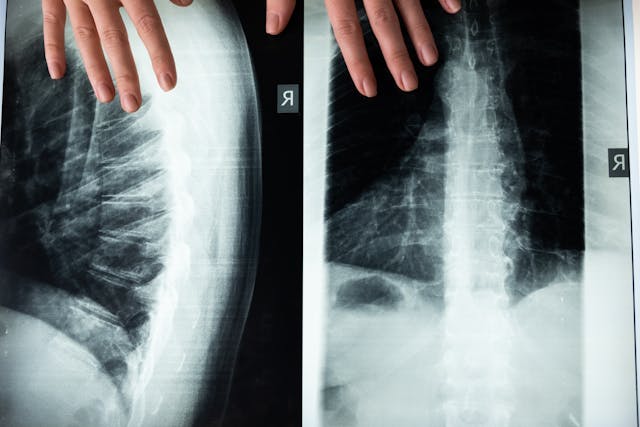
Spinal arthritis, also known as osteoarthritis of the spine, is a common degenerative condition that can lead to chronic discomfort, stiffness, and impaired mobility. Non-surgical approaches offer hope for symptom management, enabling individuals to maintain active lifestyles and reduce the risk of complications associated with surgery.
Understanding the best arthritis treatment Orange Park, FL, for managing spinal arthritis pain can dramatically improve quality of life. Each patient’s needs are unique, and a combination of multiple non-surgical treatments may be necessary to achieve optimal outcomes.
While surgery is sometimes necessary for advanced cases, a multidisciplinary approach that focuses on minimizing pain, restoring function, and preserving spinal health often proves most effective for the majority of individuals with spinal arthritis symptoms.
Setting realistic expectations, seeking early intervention, and incorporating lifestyle changes can all significantly impact your spinal health journey. Non-surgical therapies are continually evolving, offering hope and relief for many people living with this chronic condition.
Physical Therapy and Exercise
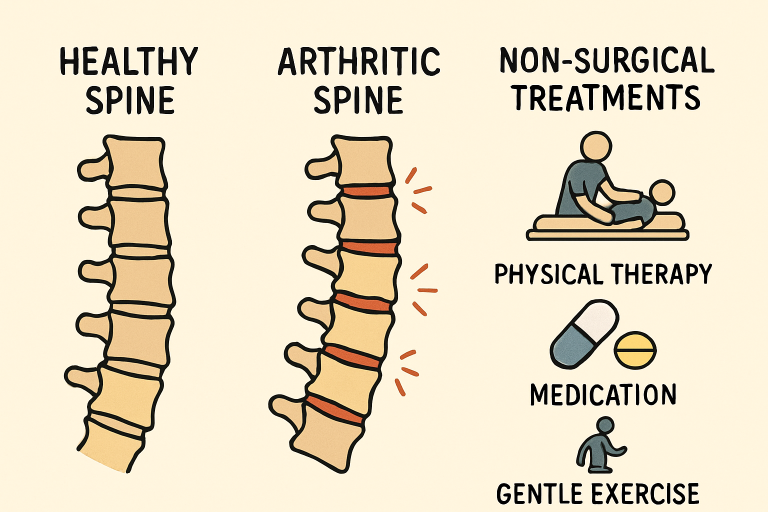
Physical therapy is often the cornerstone of non-surgical management for spinal arthritis. A professional therapist can design a customized program focused on improving spinal flexibility, strengthening supportive muscles, and reducing pain. Gentle stretches targeting the hamstrings, hip flexors, and lower back are key to minimizing stiffness. Meanwhile, low-impact aerobic exercises—such as swimming, walking, or cycling—stimulate circulation and trigger the natural release of endorphins. Incorporating regular exercise not only eases pain but also helps prevent further joint deterioration.
Medications for Pain and Inflammation
Many patients rely on over-the-counter medications to manage pain and inflammation. Acetaminophen provides basic pain relief, while nonsteroidal anti-inflammatory drugs (NSAIDs), such as ibuprofen and naproxen, target both discomfort and inflammation. For moderate to severe pain, muscle relaxants or prescription medications such as duloxetine (approved for chronic musculoskeletal pain) may be recommended. Medication plans should always be discussed with a healthcare provider to balance benefits and potential side effects.
Topical Pain Relievers
Topical agents—such as creams, gels, or medicated patches containing NSAIDs or capsaicin—deliver targeted relief directly to affected joints. These products are ideal for those seeking effective, localized pain management with minimal risk of systemic side effects. They can be especially helpful for individuals with mild to moderate localized pain who may wish to avoid or limit oral medication intake.
Advanced Non-Surgical Interventions
For patients who do not achieve adequate relief with conservative therapies, minimally invasive procedures are a valuable option. Epidural steroid injections deliver corticosteroids to the area around the spinal nerve, significantly reducing inflammation and acute pain. Facet joint injections and medial branch blocks target specific inflamed spinal nerves, whereas radiofrequency ablation utilizes heat generated by radio waves to disrupt pain signals for months or even years. These procedures offer significant, lasting relief but should be performed under strict medical supervision.
Complementary and Alternative Therapies
Pain management specialists increasingly recognize integrative therapies like acupuncture for their ability to promote relaxation and stimulate the release of endogenous opioids—natural painkillers that may ease chronic arthritis pain. Other alternative options include yoga, tai chi, and massage therapy. These holistic modalities help address both physical symptoms and mental stress, supporting overall well-being.
Weight Management
Maintaining a healthy weight is crucial for easing spinal arthritis symptoms, as excess pounds put additional stress on the spine’s joints. Losing weight can help slow disease progression, decrease flare-ups, and improve mobility. In combination with a balanced diet and regular exercise plan, weight management supports both pain relief and heart health, two elements closely linked in patients with chronic joint conditions.
Regenerative Medicine
Regenerative treatments—such as platelet-rich plasma (PRP) or stem cell therapies—hold potential for repairing degenerated cartilage and reducing inflammation in spinal arthritis. While clinical trials show promise, these options are generally reserved for early or localized disease and remain the focus of ongoing study to understand which patients benefit most and under what circumstances. Always consult a specialist before pursuing regenerative therapies.
Final Thoughts
Managing spinal arthritis pain without surgery requires a multi-pronged approach that places patient safety and well-being at the center of care. Physical therapy, medications, advanced and alternative interventions, weight management, and innovative regenerative techniques offer substantial relief for many. Personalized treatment plans, developed in collaboration with healthcare professionals, maximize the likelihood of symptom control and improved quality of life. Staying informed and proactive in seeking evidence-based therapies ensures the best possible outcomes for individuals living with spinal arthritis.



More Stories
What Are Water Softeners?
6 Reasons to See a Sleep Doctor
Tips for Elderly Care